Guide · Light Therapy
Red Light Therapy: Benefits, Timing, and How Often to Go
What the light does — and what it doesn’t.
Red light therapy has moved from pro locker rooms to the mainstream, and the claims have grown louder along the way. This guide covers what red light therapy actually is, what people use it for, whether it belongs before or after your workout, how often to go, and what a session looks like on the full-body bed at Ozwell in Carmel.
What is red light therapy?
Red light therapy — researchers call it photobiomodulation, which is a long word for a simple idea — exposes your body to specific wavelengths of red and near-infrared light. The leading explanation for how it works: those wavelengths are absorbed by your cells, particularly the mitochondria, the little engines that produce cellular energy. Give the engines a nudge, the thinking goes, and the cell has more energy for the things it already does — repair, regeneration, keeping inflammation in check.
Two things it is not. It isn’t a tanning bed — the LEDs emit no UV, so there’s no tan and no burn. And it isn’t a heat treatment — you don’t sweat, and you don’t feel much of anything beyond light on your skin. That passivity is the whole appeal: there is genuinely nothing to do but lie there.
What do people use red light therapy for?
The best-supported uses cluster around three things:
- Muscle recovery — easing soreness and supporting repair after hard training
- Skin — collagen support, tone, and clarity
- Circulation — encouraging fresh blood flow through worked muscles
The honest version: red and near-infrared light is the most studied form of light therapy, with solid support for skin and recovery — but research is ongoing, effects tend to be gradual and cumulative rather than dramatic, and anyone promising a transformation after one session is selling something. Think of it the way you’d think of sleep or protein: a quiet input that compounds.
Should you do red light therapy before or after a workout?
Honest answer: the research hasn’t settled this one, and reasonable people land on both sides. The case for before is priming — giving your cells an energy nudge on the way into training. The case for after is more intuitive: recovery is where red light’s evidence is strongest, so following a hard session with light aimed at soreness and circulation makes sense.
Our practical take: the timing question matters far less than the showing-up question. If recovery is your goal, after training is a natural fit; if you just want the habit to stick, attach it to whichever end of your workout you’ll actually do. And it works perfectly well on rest days as a standalone — plenty of members treat it as its own quiet appointment, no workout required.
How often should you do red light therapy?
Like most gentle-dose recovery tools, frequency beats intensity. At Ozwell we suggest about 8–12 minutes on the bed, 3–5 times a week for best results — short, regular exposures rather than occasional long ones. A month of consistency will tell you more than a week of enthusiasm.
It also stacks easily, because it demands nothing from you. Members often add it after a sauna session, or pair it with PEMF on a recovery day — two lie-down treatments back to back, about half an hour total, and you walk out having done something genuinely useful with a lunch break.
What is a red light session like at Ozwell?
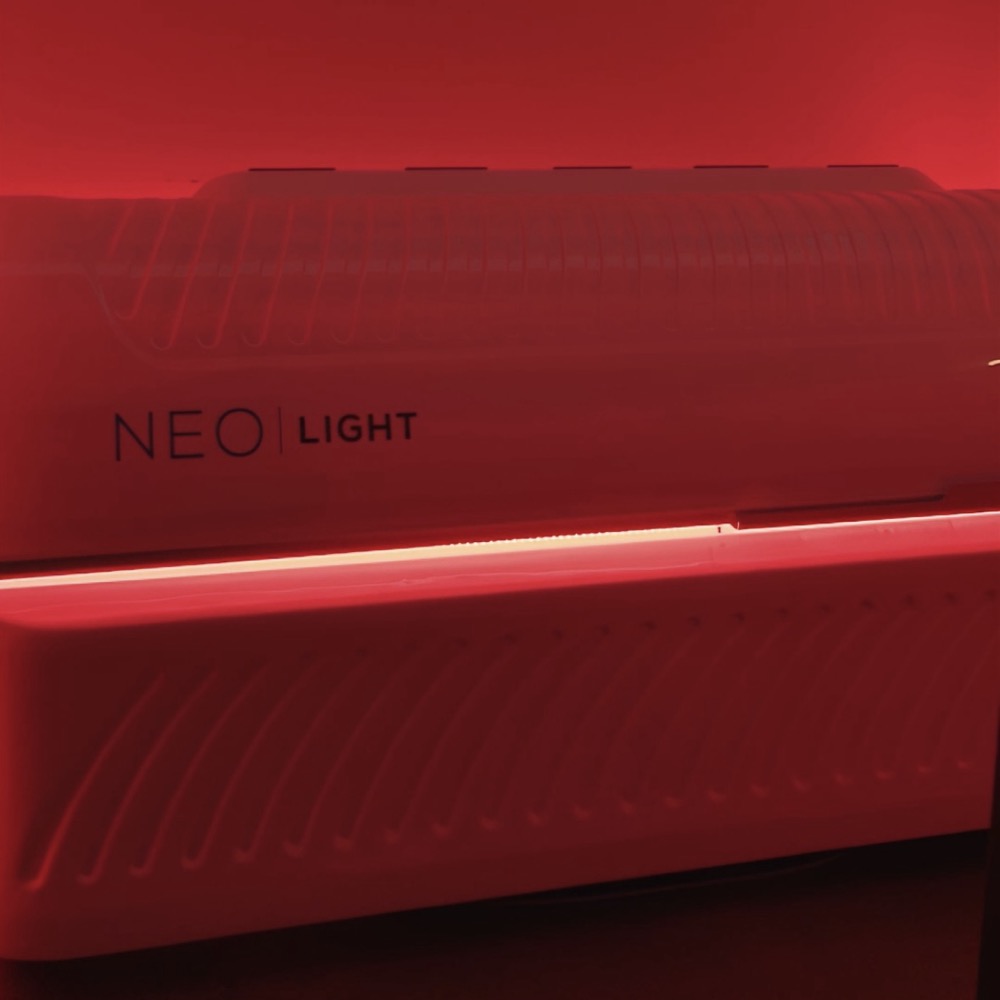
The setup at Ozwell in Carmel is a full-body LED bed — not a small panel you stand in front of, but a bed you lie down in so the light reaches everything at once. It’s switchable across three colors, so you can aim the same session at what you need that day: red and near-infrared for muscle recovery, collagen and skin, and circulation; green for calm, with real research behind its effect on migraines and light-sensitivity; and pink for skin clarity and a mood lift — the lightest on evidence, a nice finisher rather than a clinical claim. Pick your color, lie back for eight to twelve minutes, done. No heat, no effort, no UV, and the bed is sanitized after every use.
The red light bed is one of six recovery modalities under one roof at Ozwell, and it’s unlimited on the Premium ($399/month) and Recovery ($299/month) memberships. Want to try it first? Drop in for $35, or try everything for a week with the $99 trial.
This guide is general information, not medical advice. If you’re pregnant or managing a health condition, check with your provider before adding red light — or any recovery modality — to your routine.
Red light therapy FAQ
How long is a red light session at Ozwell?
Should I do red light therapy before or after a workout?
Is red light therapy a tanning bed?
Do I need a membership for red light therapy?
Ready to lie back?
Recovery doesn’t get more accessible than this: pick a color, lie down, and let twelve minutes pass. The hardest part is remembering to book it.
The red light bed is one of six recovery modalities at Ozwell in Carmel — Cold Plunge · Infrared Sauna · Red Light Therapy · PEMF. New here? Start with a day pass or see membership & pricing →